
Do you need cash in Portugal, or can you pay by card?
Portugal uses the euro (EUR). Cards and contactless payments are widely accepted in supermarkets, chain stores and most restaurants. Portugal has its own national card and cash machine network, used for everything from paying bills to topping up phones, and some small cafés, grocers and market stalls accept only local debit cards or cash, or set a minimum amount for cards.
Carrying a little cash is sensible away from the main shopping streets. At the till you may be asked whether you want your tax number on the receipt; visitors can simply say no.
Where do people in Portugal buy groceries?
Most households shop at supermarkets and hypermarkets, many of them inside shopping centres, alongside discount supermarkets and small neighbourhood grocers. Municipal markets (mercados) sell fresh fish, meat, fruit and vegetables; they are busiest in the morning, and many close after lunch and on Sundays. Bakeries and pastry shops are part of daily life.
Shopping centres and most supermarkets open seven days a week, often until late evening, while some small shops close at lunchtime and on Sundays. Prices in shops are fixed, and bargaining is limited to flea markets.
Is VAT included in prices in Portugal?
Yes. Shelf prices in Portugal include VAT (IVA). On the mainland the standard rate is 23%, with an intermediate 13% rate and a reduced 6% rate that covers many essential foods. Madeira and the Azores apply their own lower rates, so the same product can carry a different tax there.
In 2023 a temporary zero rate applied to a basket of essential foods; it has since ended. Visitors who live outside the EU can reclaim IVA on goods they take home by asking the shop for a tax-free form and validating it at customs when they leave.
How have prices in Portugal changed recently?
Like the rest of the euro area, Portugal saw a sharp rise in prices in 2022 and 2023, led by energy and food. Inflation has slowed since, though food remains noticeably more expensive than before the episode. Strong tourism and demand for housing in Lisbon and Porto push up prices for eating out and services in those cities, and many foods and goods are imported, so transport and energy costs feed into shelf prices. Since prices keep moving, every price on this page shows the date we read it.
Coverage by category
Compared with the other cities
US dollar prices for 42 products that we also have in at least three other cities. The percentage shows the difference from the average of those cities.
Lower in Portugal
- Shower gel - 400 ml$0.50-90%
- Toothbrush - 1 piece$0.45-70%
- Dishwashing liquid - 500 ml$0.50-69%
- Pillow - 1 piece$2.22-62%
- Single bed linen set - 1 set$6.69-57%
- Shampoo - 400 ml$2.05-55%
Higher in Portugal
- Onions - 1 kg$1.89+47%
- Casual sneakers - 1 pair$30.65+35%
- Basic cotton T-shirt - 1 piece$11.15+31%
- Trousers - 1 pair$33.49+25%
- Beef - 1 kg$22.33+7%
- Eggs - 10 pieces$2.78+5%
Local product types can differ between cities. The comparison tool only matches the same product type.
Compare Portugal with another country
Same budget, same products: see where your money goes further.
Insights and guides about Portugal
All articles →Travel and life in Portugal
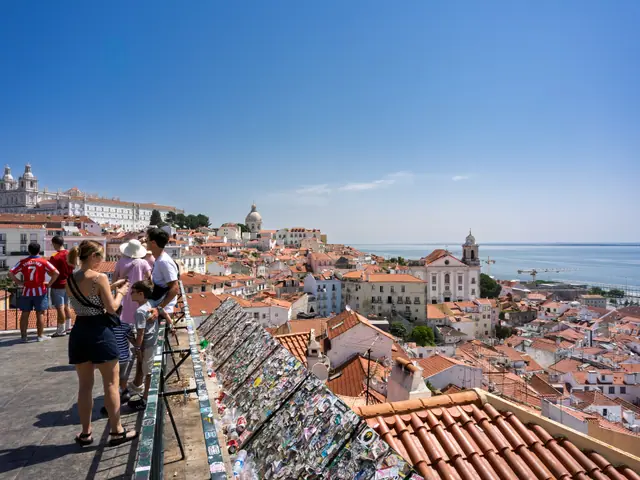
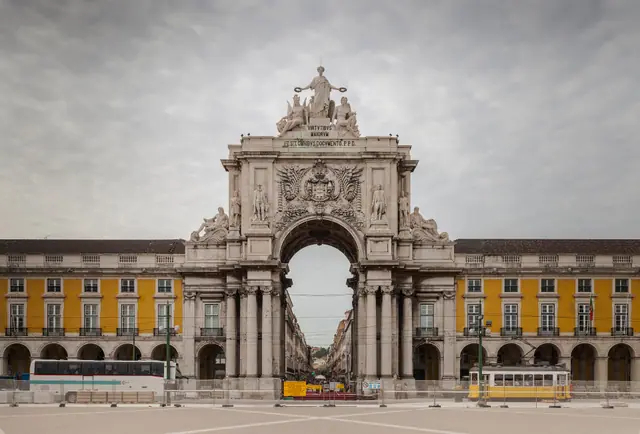
Pictures of Portugal
How these prices were read
Prices come from public shop pages and haven't been independently verified. The Data & methodology page has the details. Data & methodology
Try your own budget
Pick a budget and two countries to see the same comparison with your own numbers.
Questions people ask
What is the price of milk in Portugal?
The local shop price we read on November 8, 2026 was €1.00 per 1 L, about $1.12 at that day's reference rate.
What is the price of eggs in Portugal?
The local shop price we read on November 8, 2026 was €2.49 per 10 pieces, about $2.78 at that day's reference rate.
What is the price of rice in Portugal?
The local shop price we read on November 8, 2026 was €1.27 per 1 kg, about $1.42 at that day's reference rate.
How much is US$100 in Euro?
At the reference rate of November 8, 2026, US$100 comes to about €89.56.
Which products cost less in Portugal than in the other cities?
By dollar price, the clearest gaps are shower gel (-90%), toothbrush (-70%), and dishwashing liquid (-69%).
Which city do the Portugal prices come from?
All prices on this page were read in Lisbon.
Do I need cash in Portugal?
You can pay by card in most supermarkets, shops and restaurants in Portugal, but some small cafés, grocers and market stalls take only cash or local debit cards, or set a minimum card amount. Carrying a small amount of cash in euros is useful in Portugal.
Why do shops in Portugal ask for a tax number at the till?
Shops in Portugal ask whether you want your tax identification number (NIF) printed on the receipt so that residents can claim tax deductions on their spending. Visitors without a Portuguese tax number can decline, and the price stays the same.
Are shops open on Sundays in Portugal?
Yes, most supermarkets and shopping centres in Portugal open on Sundays, some with shorter hours. Many small shops and municipal markets in Portugal close on Sundays.
Where do these prices come from?
Prices come from public shop pages and haven't been independently verified. The Data & methodology page has the details.